
Kapodastr na ukulele: co dělá a jak ho používat
 od Jonas
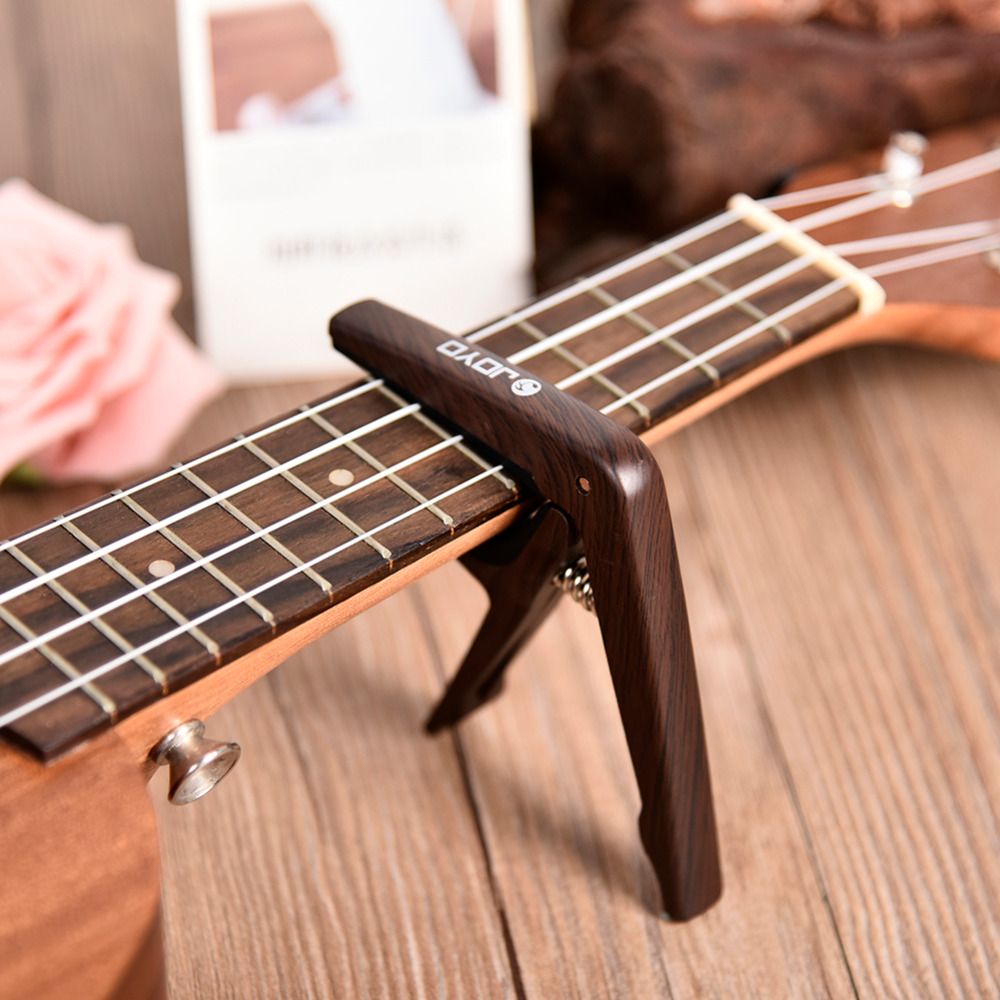
Kapodastr na ukulele je malá svěrka, která přimáčkne všechny struny na jednom pražci a zvedne výšku, takže si stejnými hmaty zahraješ ve vyšší tónině. Skvěle se hodí, když si chceš písničku posadit na svůj hlas nebo hrát s ostatními. Kytarový kapodastr na ukulele funguje taky, ale ten určený přímo pro ukulele sedne líp.
- Co kapodastr doopravdy dělá
- Tabulka kapodastru
- Jak ho nasadit a jaký typ koupit
S kapodastrem zvedneš výšku svého ukulele, aniž by ses musel učit jediný nový akord. Přicvakneš ho přes pražec, každá struna zní výš a snadné hmaty, které už znáš, ti najednou hrají v nové tónině. Níž se dočteš, co kapodastr dělá, kdy po něm sáhnout, jak ho nasadit a jak si vybrat ten správný typ.
Co je to kapodastr?
Kapodastr je zkrácenina italského capotasto, tedy “hlava hmatníku”. Je to malá pomůcka, kterou upneš kolem krku ukulele tak, aby držela všechny struny přimáčknuté na stejném pražci. V podstatě tím na tom pražci děláš barré, jen místo prstu ti struny drží kapodastr.
Historický fakt: termín poprvé použil Giovanni Battista Doni ve svých Annotazioni v roce 1640, i když se kapodastr nejspíš používal už dřív v 17. století. První patentovaný kapodastr navrhl James Ashborn z Wolcottville v Connecticutu v USA.
Co s kapodastrem na ukulele zvládneš?
Teď už víš, co to je, a nejspíš tě zajímá, k čemu se to používá. Kapodastr zvedne výšku celého nástroje, takže můžeš hrát v jiných tóninách bez piplání s ladicími kolíčky, kterými bys ukulele musel přeladit výš, a bez transponování akordů.
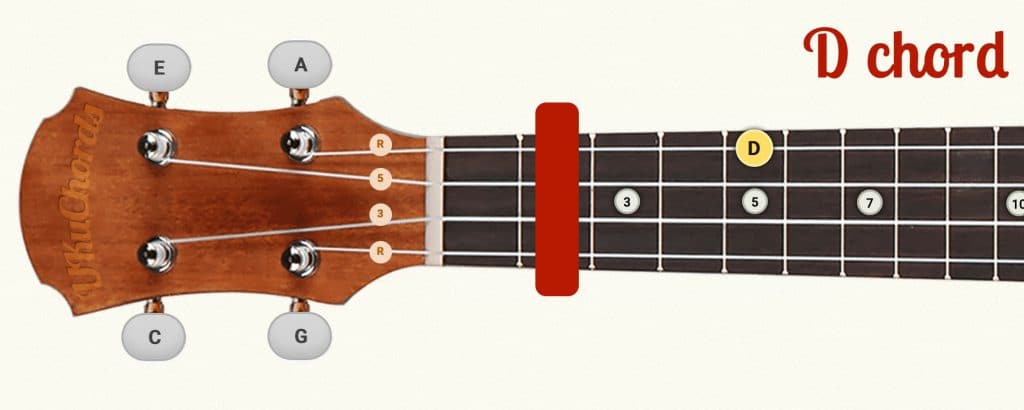
Příklad: standardnímu ladění ukulele (GCEA) se říká taky ladění “C”. Pořadí tónů je A A# B C C# D D# E F F# G G#, takže když dáš kapodastr na druhý pražec, změní se ladění tvého ukulele na ladění “D”, o dva půltóny výš.
Ukážu to na dvou základních akordech na ukulele: C a G. Dva hmaty, které zná každý, kdo ví, jak číst diagramy akordů, tedy 0003 a 0232. Typicky se objevují v písničkách v tónině C.
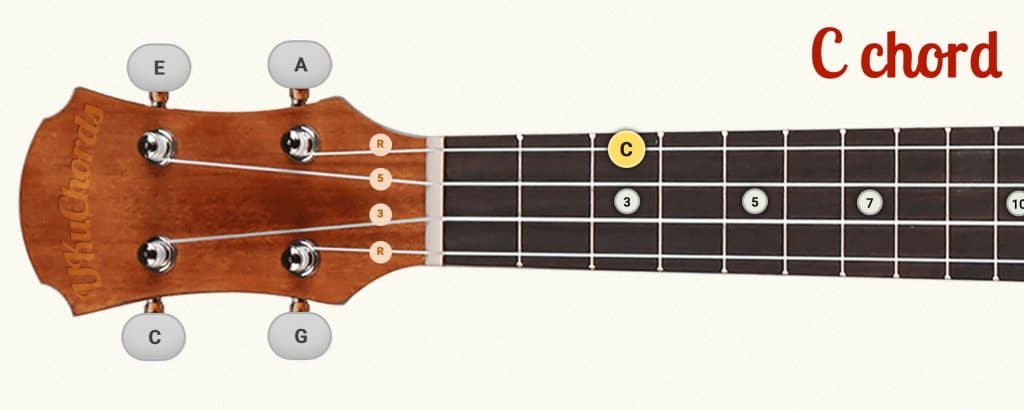
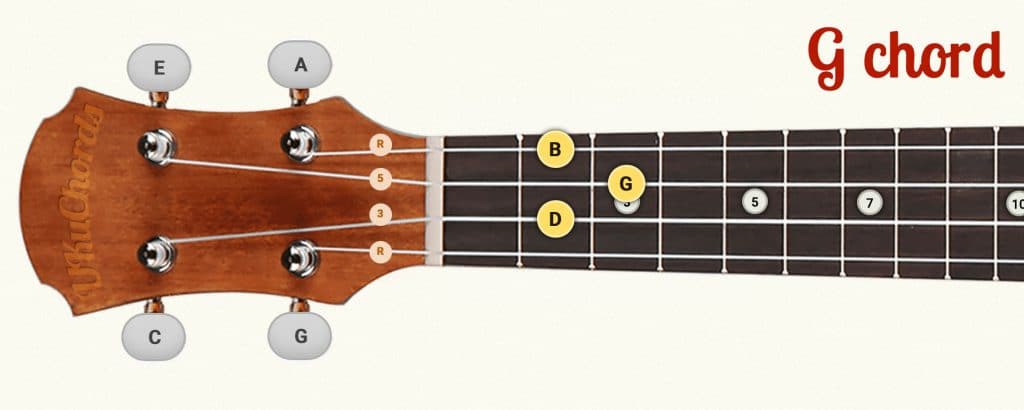
Když dáš kapodastr na druhý pražec (capo 2 nebo capo II), ladění celého ukulele se transponuje o dva půltóny nahoru. Zahraj úplně stejné hmaty jako výš a akordy, které ve skutečnosti zní, jsou teď D a A.
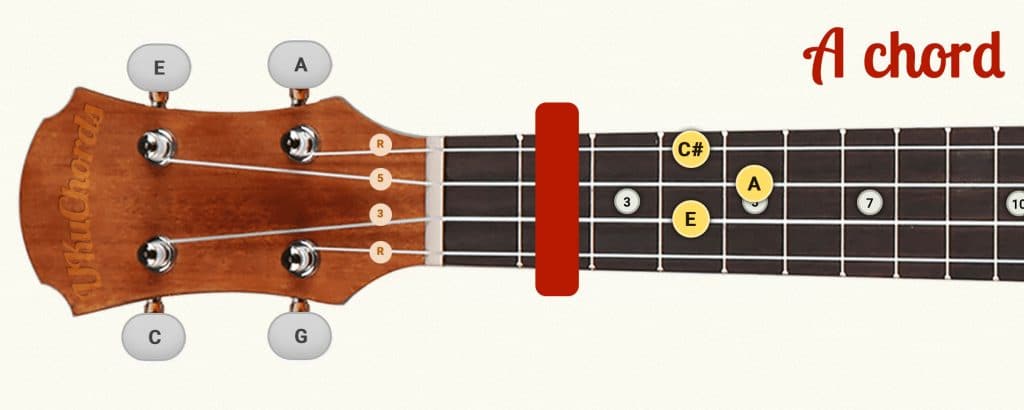
Kapodastr pomůže i tehdy, když se chceš líp trefit do hlasového rozsahu zpěváka. Často stačí zvednout ukulele o jeden nebo dva půltóny a hned se zpívá pohodlněji.
Tabulka kapodastru na ukulele
Každý pražec zvedne výšku o jeden půltón. Cvakni kapodastr těsně za pražec, zahraj své běžné hmaty a zazní o tolik výš, kolik ukazuje tabulka. S kapodastrem na 2. pražci se tak z hmatu C stane D.
| Pozice kapodastru | Výška stoupne o | Hmat C zní jako | Hmat G zní jako |
|---|---|---|---|
| 1. pražec | 1 půltón | C♯ | G♯ |
| 2. pražec | 2 půltóny (1 celý tón) | D | A |
| 3. pražec | 3 půltóny | D♯ | A♯ |
| 4. pražec | 4 půltóny | E | B |
| 5. pražec | 5 půltónů | F | C |
| 6. pražec | 6 půltónů | F♯ | C♯ |
| 7. pražec | 7 půltónů | G | D |
Za 7. pražcem jsou pražce hodně natěsno a ukulele začíná znít tence, takže většina hráčů zůstává mezi 1 a 5. Jakmile víš, ve které tónině jsi skončil, všechny akordy, které do ní patří, ti vypíše bezplatný nástroj tóniny ukulele. Kapodastr na 2. pražci s hmaty C tě třeba posadí do D dur. Teorii za tím vysvětluje můj průvodce tóninami ukulele.
Kdy se kapodastr na ukulele používá?
Kapodastr se hodí hlavně ze dvou důvodů. Ten první je zvednout písničku do jiné tóniny tak, aby seděla tvému hlasovému rozsahu.
A ten druhý je tenhle. Na UkuTabs občas najdeš na začátku písničky poznámku “alternative version”. Znamená to, že si můžeš zkusit písničku transponovat níž, aby se hrála snáz.
Příklad: transpozice o 1 půltón dolů udělá z A#m akord Am, který se hraje mnohem líp. Jenže když hraješ s originální nahrávkou, sedět to nebude. Abys byl zpátky ve stejné tónině, dáš kapodastr na první pražec a pořád hraješ Am. Teď jsi ve stejné tónině jako nahrávka, ale akordy jsou o dost snazší. Ne u všech akordů, které jsou u písniček na UkuTabs uvedené, je kapodastr potřeba. Sám se rozhodni, jestli chceš tóninu transponovat a kapodastr nasadit, nebo ne.
Potřebuju kapodastr na ukulele?
To si musí rozhodnout každý sám. Já jsem kapodastr používal dost často, když jsem s ukulele začínal, ale dneska ho nepoužívám vůbec. Až se zlepšíš, ten akord A#m se naučíš zahrát. Mně osobně se navíc hraje líp, když se na kapodastr nespoléhám. I tak je to ale skvělá pomůcka pro začátečníky na ukulele, protože jim kombinace transpozice a kapodastru otevře mnohem víc písniček.
Jaké druhy kapodastru existují?
Pružinový kapodastr
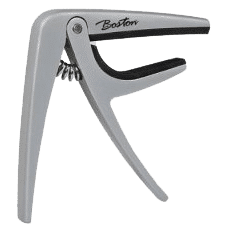
Tenhle typ mám ze všech nejradši. Páčku ovládá pružina, takže pozici kapodastru na hmatníku měníš rychle a jednou rukou. Nedá se u něj ale nastavit tlak na struny a bývá dost objemný. Mrkni na několik značek, které tenhle typ nabízejí. Kyser je známá značka a prodává moc slušný kapodastr na ukulele a banjo, stojí zhruba 25 až 30 dolarů. Jsou ale i levnější varianty, třeba tenhle pod 10 dolarů, který má na Amazonu 5 hvězdiček.
Kapodastr se svěrkou (C-clamp)
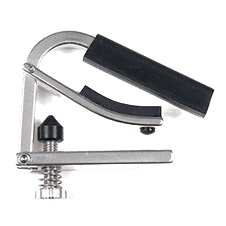
Trhu se svěrkovými kapodastry na ukulele vévodí jeden model, a to Ukulele Capo od značky Shubb, který se dělá v různých barvách. U svěrkového kapodastru si otočením malého šroubku nastavíš tlak na struny. Na ukulele ho nasadíš páčkou. Tyhle kapodastry jsou hodně pevné, spolehlivé a kompaktní. Zároveň jsou ale ze všech nejdražší.
Gumičkový kapodastr s přezkou
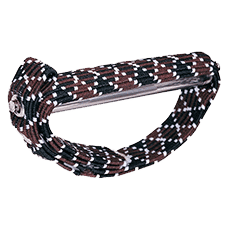
Tohle bývaly nejlevnější kapodastry vůbec, jenže nedávno zdražily. Koupíš je za stejné peníze jako pružinový nebo svěrkový. Jsou hodně lehké a k ukulele se připínají zoubkovanou přezkou nebo gumičkami, kterými se struny stáhnou. Nízká cena a malé rozměry jsou plus, jenže většina z nich je mizerné kvality, tahá struny z ladění a snadno se rozbije. Jim Dunlop nabízí slušný gumičkový kapodastr na ukulele.
NS Ukulele Capo Pro

Tohle je jeden z novějších kapodastrů: kapodastr dělaný přímo na ukulele od D’Addario (známé taky jako Planet Waves). Je hodně lehký, hliníkový a na krku ukulele zabírá ve srovnání s ostatními opravdu málo místa (kromě gumičkového). Když je jednou nasazený, nemanévruje se s ním po hmatníku úplně snadno, ale to je jedna z mála nevýhod. Nejnovější model je PW-CP-12 NS.
Mám kapodastr na kytaru. Můžu použít i ten?
Jasně že můžeš, nic ti nebrání sáhnout po kapodastru od své kytary. Já mám černý kytarový kapodastr Jim Dunlop 88B. Funguje úplně v pohodě, ale popravdě už ho skoro nepoužívám. Jestli plánuješ používat kapodastr na ukulele pravidelně, šel bych do kapodastru dělaného přímo na ukulele.
Moje rada: používej ho kvůli hlasu, ne abys obcházel akordy
Kapodastr umí přijít pěkně vhod, ale radím používat ho jen k tomu, abys posunul tóninu ukulele ke svému hlasu. Původní akordy si radši zahraj. Při učení písniček se snaž na kapodastru nelpět. Když narazíš na písničku s akordem, který neznáš, diagram akordu najdeš vždycky nahoře u každé písničky, nebo na akord tady na UkuTabs prostě klikni. Jestli ta písnička na UkuTabs není, koukni do knihovny akordů, jak se ten akord hraje, nebo si projdi základní akordy ukulele, které by měl znát každý hráč.
FAQ: kapodastr na ukulele
Dá se na ukulele použít kytarový kapodastr?
Jo. Kytarový kapodastr ukulele sevře v pohodě, jen bývá širší a mačká víc, než malý krk ukulele potřebuje, což může struny vytáhnout kousek nad tón. Kapodastr dělaný na ukulele nebo krátký pružinový sedne líp, ale na začátek je kytarový úplně v pořádku.
Co kapodastr na ukulele dělá?
Sevře struny přes jeden pražec a naráz je všechny zkrátí, takže celé ukulele zní výš. Hraješ dál stejné hmaty, jen ti zazní ve vyšší tónině.
Potřebuješ na ukulele kapodastr?
Ne, kapodastr není nutnost. Tóninu můžeš vždycky změnit i tím, že se naučíš nové hmaty. Kapodastr ji jen zvedne hned a s hmaty, které už umíš, což se hodí, když chceš písničku doladit svému hlasu nebo hrát s kytarou.
Jak se kapodastr na ukulele používá?
Kapodastr rozevři, polož ho těsně za pražec, který chceš (ne přímo na kovový pražec), a sevři ho tak, aby mačkal všechny čtyři struny stejně. Brnkni a zkontroluj, že každá struna zní čistě, a pak hraj své běžné hmaty.
Kam dát kapodastr, abys hrál v konkrétní tónině?
Každý pražec zvedne výšku o půltón, takže s ní stoupá i tónina. Když chceš nahoru o celý tón, třeba z C do D, cvakni ho na 2. pražec a hraj hmaty C. Běžné pozice najdeš v tabulce výš.
Rozladí kapodastr ukulele?
Může. Když ho sevřeš moc nebo ho posadíš přímo na pražec místo těsně za něj, ohne struny nad tón. Nasaď ho spíš akorát než natvrdo a po nasazení si zkontroluj ladění bezplatnou ladičkou. Nejvíc hřeší levné gumičkové kapodastry.
Posuň písničku o dva pražce výš
Dej kapodastr na 2. pražec, zahraj písničku, kterou už umíš, svými obvyklými hmaty a poslechni si, jak se zvedne do jasnější tóniny. Vyzkoušet si to můžeš třeba na Somewhere Over The Rainbow. Další tisíce najdeš v seznamu snadné písničky na ukulele. Hmaty si vyhledáš v nástroji s diagramy akordů, tóniny ukulele ti ukážou, co do nové tóniny patří, a s ladičkou na ukulele se nejdřív nalaď. Klidně mě kontaktuj, kdykoli budeš chtít o kapodastru vědět víc.
Některé odkazy na téhle stránce jsou přidružené odkazy Amazon. Jako Amazon Associate UkuTabs vydělává na kvalifikovaných nákupech, tebe to nestojí nic navíc.
What are some popular songs to play with a capo?